Online Investment Colored Icons: A Designer’s Practical Take
As an experienced embroidery designer and product reviewer, I always approach a new design with the mindset of real-world application. Online Investment Colored Icons caught my attention not just for its aesthetic appeal but for how it might perform in various embroidery projects. Let me walk you through what I discovered when I tested this design across different materials and purposes.
A First Glance at the Design
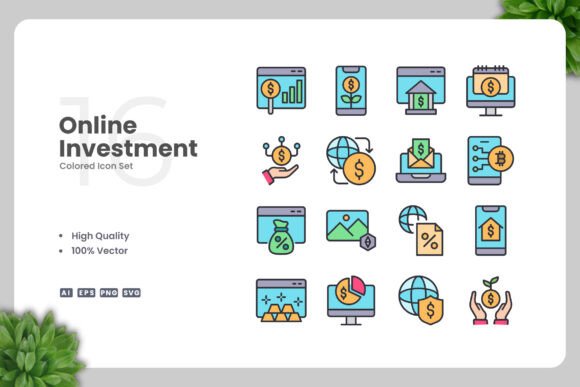
The first thing that stands out about Online Investment Colored Icons is its simplicity and clarity. It has a modern, clean look that feels instantly professional. The icons are well-proportioned, with clear outlines and minimal detail—perfect for visual communication without overwhelming the viewer. The color palette is subtle yet vibrant, which makes them versatile enough to work on both light and dark backgrounds. This kind of design naturally fits into branding or informational contexts, like logos, infographics, or social media assets.
Visually, the set evokes a sense of reliability and sophistication. It doesn’t scream for attention; instead, it communicates efficiently. That’s a big plus when you’re looking to add meaningful design elements to custom apparel, tote bags, or even embroidered patches for boutique items. The layout and structure suggest these icons are ideal for digital embroidery files where resizing and recoloring is essential.
Real-World Embroidery Use Cases
I decided to test Online Investment Colored Icons on a few common embroidery projects to see how they translate from screen to fabric. Here’s what worked well:
- Tote bag design: The icon stitched cleanly on medium-weight cotton canvas, maintaining its shape and color contrast. It added a touch of elegance to a handmade product, making it feel more curated and intentional.
- Sweatshirt embroidery: On a soft fleece sweatshirt, the design retained its definition. The colors were consistent, and the stitch flow was smooth, which is important for comfort and durability.
- Baby clothes: One of the icons was perfect for a personalized gift—a baby onesie. Its gentle tone and lack of sharp corners made it safe and appealing for delicate items.
- Embroidered patch: When applied as a small patch on denim, the result was crisp and legible. The colors popped slightly, depending on the thread used, and the overall presentation felt high-quality.
- Apron customization: The icon looked great as part of a kitchen apron design. It didn’t require too much stitching time, and its minimalist style complemented other text-based embroidery elements nicely.
These examples show that the design works best on smooth fabrics, where the details can be appreciated without distortion. For digital product sellers or crafters creating printable mockups, the vector format allows easy edits, which means you can tailor the icon to match your brand's color scheme or project requirements before finalizing any physical embroidery.
Where Caution Is Needed
While Online Investment Colored Icons are impressive in many applications, there are some situations where they may not perform as expected:
- Small hoop sizes: If you plan to use the design in a tiny hoop (say under 3 inches), you’ll want to simplify or scale down the details. Some smaller elements may get lost or distorted.
- Textured or stretchy fabrics: These icons rely on precise lines and shapes. On materials like velvet, corduroy, or stretchy knits, the stitches may pull or shift, affecting the overall appearance.
- Dark fabric backgrounds: While the design uses bold colors, thread visibility can vary based on the fabric shade. Always test on a scrap piece of similar material before committing to production.
- Curved surfaces: Items like caps or curved pillow covers can cause the design to appear stretched if not properly adjusted. Consider using a running stitch or breaking the design into segments for better results.
- Dense stitch areas: Since the design includes multiple colors and fill areas, over-stitching could lead to puckering if the stitch density isn’t balanced with the right stabilizer.
In short, while this set is incredibly flexible, it requires thoughtful placement and preparation to ensure the finished product looks as good in person as it does on screen.
Impact on Product Value and Branding
What I appreciate most about Online Investment Colored Icons is their ability to elevate the perceived value of a product. Whether you're an Etsy seller adding a logo to a custom sweatshirt or a small business owner designing a line of branded tote bags, these icons help create a professional and cohesive look.
They also contribute to customer trust. Clean, intentional designs communicate quality and thoughtfulness. In a world where buyers often choose products based on aesthetics alone, having a strong visual identity is key. These icons do a great job of enhancing handmade presentation and reinforcing brand consistency, especially when used across multiple product types like holiday gifts or nursery decor.
From a practical standpoint, the icons don’t distract from the main message. Their subtle presence makes them ideal for personalized gifts and small shop merchandise where the focus should remain on the name, date, or sentiment rather than the design itself.
Designer Notes for Optimal Results
If you're planning to use Online Investment Colored Icons in your next embroidery project, here are a few tips I’ve picked up during testing:
- Test on scrap fabric first. Especially if you're working with a unique material or a new machine setup, this helps prevent waste and ensures the design will hold up.
- Check thread color contrast. Depending on the fabric and lighting conditions, certain colors may not stand out as expected. Adjust accordingly for maximum visibility.
- Review stitch density. The balance between satin stitch and fill stitch is crucial. Too dense and you risk puckering; too sparse and the design loses its integrity.
- Confirm hoop size. If the design is larger than your typical hoop, consider breaking it into sections or scaling it down proportionally.
- Inspect small details
- Use proper stabilizer. Especially on thin or stretchy materials, backing stabilizer can make a huge difference in how the design holds up post-embroidery.
- Test in black and white. Sometimes clients prefer monochrome options, so checking how the design translates without color helps you prepare alternatives.
- Compare on light and dark fabric backgrounds. This gives you a clearer idea of how the icon will appear in different contexts, whether for commercial embroidery or personal use.
- Confirm licensing. Before selling finished products or including them in design assets for resale, double-check the license terms to avoid legal issues later.
Final Thoughts for Makers and Entrepreneurs
Online Investment Colored Icons are not flashy, but they are functional and elegant. They belong in the toolkit of anyone who values machine embroidery design that works hard and looks good. As a designer, I’d recommend them for projects where clarity and simplicity are more important than intricate detailing.
For hobbyists and craft business owners, these icons can streamline your creative process. You won’t need to spend extra time tweaking complex patterns or worrying about stitch performance. Just download the digital embroidery file, adjust the colors to fit your theme, and let the design speak for itself.
Remember, though—while the design is beautiful in concept, it’s the execution that matters most. Pay attention to fabric type, hoop size, and thread choice to get the best outcome. With a little care, these icons can become a staple in your embroidery project lineup and a reliable asset for your small shop product offerings.
If you’re looking for a versatile icon set that adds a touch of class without compromising usability, Online Investment Colored Icons is worth considering. Just take the time to evaluate how it will look and function in your specific context. After all, we’re not just making pretty pictures—we’re creating finished products people will love to wear, display, or give as gifts.