Simple House Graphics for Creative Projects
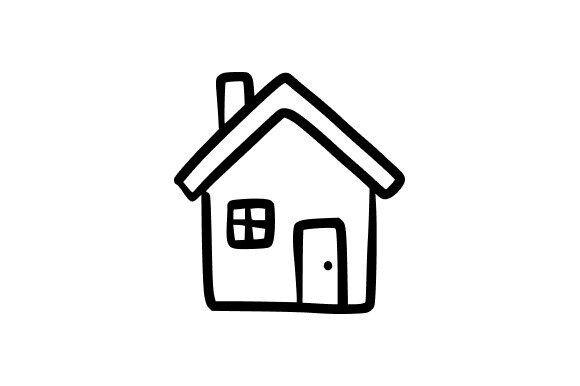
As a professional graphic designer, I often find myself sifting through design assets to find the perfect visual element that complements a client’s brand and purpose. When I first encountered Simple House, it stood out as a clean, versatile illustration with just the right balance of detail and minimalism. The icon features a house with a chimney, window, and door—basic architectural elements rendered in a soft, hand-drawn style. It immediately evoked a sense of warmth and familiarity, which is exactly what many small businesses and creative brands are looking for.
A Versatile Icon for Branding and Marketing
Visuals play a critical role in establishing a brand’s identity, especially for handmade businesses or real estate marketing campaigns. Simple House has a subtle charm that fits well within both modern and rustic aesthetics. Its understated look makes it adaptable to various color palettes and backgrounds, which is essential when working on branding materials like product labels, packaging design, or even social media graphics.
I’ve used this type of asset before in projects for clients launching Etsy shops or promoting local home décor events. In those cases, the imagery needed to feel welcoming yet professional. Simple House checks both boxes—it doesn’t overwhelm the viewer with too much detail but still carries enough character to be memorable.
Real-World Application in Design Projects
When considering how Simple House could perform across different mediums, here are some practical insights:
- Logo Design: While not a standalone logo, it can serve as an excellent supporting symbol in brand identity systems, especially for home-related services or products.
- Brand Identity: The illustration adds a cohesive visual motif to business cards, brochures, or website headers without clashing with other design elements.
- Product Labels & Packaging: Perfect for eco-friendly or boutique home goods. It helps reinforce the product’s purpose visually and gives a more curated appearance.
- Print Design: Works beautifully in posters, flyers, and invitations where a thematic, approachable image is desired.
- Merchandise & T-Shirt Design: Especially effective for casual apparel or kids' wear where a cozy, homey vibe is key.
- Web Design & Blog Visuals: Can be used as a decorative accent or hero graphic in blog posts about home renovation, interior design, or lifestyle content.
- Digital Ads & Pinterest Pins: The icon’s simplicity ensures it remains legible at smaller sizes while maintaining visual appeal.
- Canva Templates: Integrates smoothly into templates for digital planners, printable wall art, or themed calendars.
- Cricut Projects: Ideal for crafting stickers, signage, or custom cutouts for scrapbooks or event decorations.
- Editorial Design: Adds personality to magazines or newsletters focused on homesteading, DIY, or real estate topics.
Where This Illustration Shines
Simple House excels in environments where it can be scaled up and given space to breathe. For instance, using it in large layout areas such as hero sections of websites or landing pages allows the illustration to make a stronger impact. It also performs well in product mockups—imagine placing it on a virtual mug or tote bag to showcase its adaptability in print-on-demand scenarios.
Themed collections benefit from this asset because it can be paired with other similar illustrations to build a consistent visual language. Campaign visuals for seasonal promotions, such as fall home décor or winter holiday themes, can use Simple House to evoke a sense of tradition and comfort.
Use with Caution in Certain Contexts
Despite its strengths, there are situations where Simple House might not be the best fit. For example, in very small sizes—like mobile app icons or tiny web buttons—the details may become lost. Similarly, in crowded layouts or complex background designs, the icon could get buried or lose its clarity.
Designers working with minimalist branding or corporate clients should also evaluate whether this asset aligns with their aesthetic. If the project requires a high level of visual hierarchy or a sleek, modern feel, a more abstract or geometric house icon might be preferable. However, for artisanal or lifestyle-focused brands, Simple House feels right at home.
Practical Design Notes for Real Client Work
Before integrating Simple House into a client project, I always test the following aspects:
- Black and White Test: Confirm that the illustration maintains its shape and readability without color.
- Contrast Check: Place it on both light and dark backgrounds to ensure visibility and harmony.
- Size Variations: Preview the asset at small (e.g., 50x50px) and large (e.g., full-page hero section) sizes to assess scalability.
- Mockup Placement: Try it on product mockups like mugs, notebooks, or t-shirts to see how it looks in context.
- Print Quality: If intended for physical products, check resolution and line clarity for print output.
- File Format Review: Ensure you receive SVG or vector formats if you need to scale or edit the design later.
- PNG Transparency: Look for clean alpha channels if you plan to overlay it on photos or textured surfaces.
- Font Pairing: Compare it with serif, sans-serif, script, handwritten, and display fonts to ensure it works well with different typographic styles.
- Commercial Licensing: Always verify that the asset includes a commercial license, especially if it will be used in client work or sold as part of a design bundle.
Beyond Aesthetics: How Simple House Impacts Design Success
More than just a pretty illustration, Simple House contributes to the overall success of a design project by enhancing readability and visual hierarchy. Its recognizable form supports brand consistency when used repeatedly across touchpoints like social media posts, email headers, or packaging seals. The emotional appeal of a house with a chimney and window taps into universal associations of safety, comfort, and home, making it particularly engaging for audiences who value authenticity and warmth.
In terms of professionalism, the asset avoids appearing overly whimsical or cartoonish, which is crucial for maintaining a polished look in editorial design or digital ads. It adds just enough personality to stand out without compromising the integrity of the message being conveyed.
Why This Is a Useful Creative Asset
For designers juggling multiple projects—from a handmade business’s Instagram feed to a real estate company’s brochure suite—having a reliable illustration like Simple House in your toolkit is invaluable. It’s the kind of graphic that can subtly elevate a design’s mood and cohesion. Whether you're creating a sticker design for a Cricut project or developing a sublimation design for tumblers, this illustration brings a sense of intentionality and care.
Its compatibility with various file types means you can easily incorporate it into layered Photoshop files, Illustrator vectors, or even export it for use in digital marketplaces like Etsy or creative marketplaces like Creative Market or Envato Elements. As a PNG design, it offers crisp edges and transparency, and if available as an SVG, it becomes fully editable and scalable.
Final Thoughts for Professional Use
In my experience, Simple House is a go-to illustration for any project that needs a gentle, approachable visual anchor. It's particularly useful in creative product lines, print-on-demand ventures, and small business branding efforts where the goal is to connect emotionally with the audience. Just remember to consider the context and technical requirements before finalizing your use case.
With proper testing and thoughtful placement, this graphic design asset can help turn a good design into a great one. So if you're looking for a reliable illustration to add to your next design bundle or Canva template collection, give Simple House a closer look—it might just be the quiet hero your project needs.