Plastic Bags Colored Icons: A Designer’s Perspective
As an embroidery designer and product reviewer with years of experience, I’ve seen my fair share of digital graphics turned into stitched masterpieces. When I first came across Plastic Bags Colored Icons, I was intrigued by its promise of simplicity and versatility. Let me walk you through how this design holds up in real-world embroidery scenarios and what it means for your craft business or personal project.
A Clean Look That Speaks Volumes
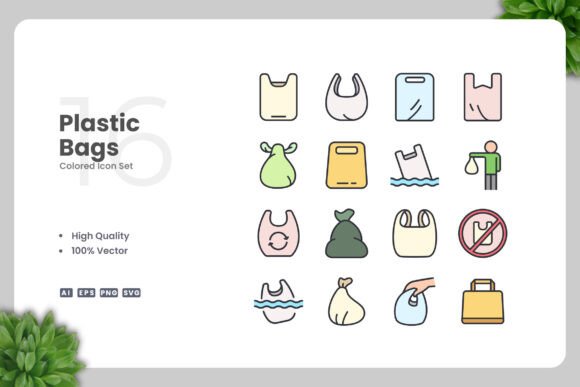
The first thing that stands out about Plastic Bags Colored Icons is its clean aesthetic. It’s not overly detailed, which is a huge plus when working with machine embroidery. The lines are crisp, the color blocks are even, and the overall shape feels modern yet timeless. This kind of visual personality makes it suitable for a wide range of applications—especially those where clarity and minimalism are key.
I see this design fitting naturally into eco-conscious branding, sustainability-themed products, and everyday items like tote bags or aprons where a subtle statement can make a big impact. The layout suggests it would work best as an applique design or standalone graphic rather than part of a complex pattern.
Visual Mood and Project Match
This design doesn’t scream for attention—it whispers. Its tone is calm, professional, and versatile. It could be used to symbolize plastic reduction efforts, zero-waste living, or even as a placeholder icon for a reusable bag concept. For someone running a small shop focused on green living or creating handmade products with a message, this could be the perfect fit.
When considering custom apparel, I imagine it looking great on a sweatshirt or oversized t-shirt. The bold colors and simple forms translate well into embroidery without overwhelming the viewer. It also has potential for embroidered patches or embroidered cap designs, especially if you're targeting a younger audience or using it in pop-up shops or craft fairs.
Performance in Real Embroidery Projects
Embroidery is more than just translating pixels to stitches—it's about how the design behaves in different environments. So let’s break down where Plastic Bags Colored Icons shines and where it might need some extra care.
- Tote Bag Design: This is one of the strongest use cases. The flat, vector-style look works beautifully on cotton or linen tote bags. The design remains legible at larger sizes and maintains its visual appeal when stitched with satin or fill stitches.
- Sweatshirt Embroidery: On thicker fabrics like fleece, the design retains its shape and contrast. Using a couple of thread colors can really make it stand out against darker backgrounds.
- Baby Embroidery: While the theme may not be ideal for baby clothes (plastic bags aren't typically associated with softness), it could still serve as a quirky, educational piece for a nursery wall hanging or embroidered board book cover.
- Holiday Gifts: If you're going for a minimalist holiday vibe, this could work on a gift tag or fabric ornament. Just ensure you’re using a high-contrast thread palette for visibility.
- Commercial Embroidery: The design’s adaptability makes it suitable for boutique branding or retail displays. Use it on signage, embroidered labels, or even digital previews for online stores.
What I appreciate most is how easily it can be resized and recolored using vector software. As a designer, being able to tweak the thread colors and scale it up or down without losing quality is essential. This flexibility ensures it can be adapted for both handmade products and commercial embroidery projects.
Where Caution Is Needed
While the design is solid, there are a few areas where it might require extra attention:
- Small Hoop Sizes: The detail level is low enough for smaller embroidery hoops, but only if the size isn’t reduced too much. Test it before committing to tiny spaces like hat embellishments.
- Textured Fabrics: If you plan to stitch it onto canvas or felt, you’ll want to adjust stitch density slightly to avoid puckering.
- Thin or Stretchy Fabric: These materials can cause slight distortion unless you use proper stabilizer and secure the edges well.
- Dark Fabric Backgrounds: Since the design uses color blocks, it needs strong contrast to remain visible. Consider testing it on black or navy fabrics with light-colored threads.
- Curved Surfaces: The straight lines and corners may not always align perfectly on curved surfaces like caps or sleeves. You’ll want to review the placement carefully in these cases.
Design Impact and Customer Reception
One of the things I consider when evaluating a design is how it affects the final product’s visual appeal and customer perception. Plastic Bags Colored Icons brings a sense of purpose and thoughtfulness to any item it’s placed on. Whether you're creating personalized gifts or selling digital embroidery files, this design adds a layer of intentionality that customers notice.
In terms of stitching clarity, the design performs well as long as you maintain consistent tension and choose appropriate stitch types. I recommend using a combination of satin and running stitches to keep the colors vibrant while minimizing bulk.
For Etsy sellers or craft businesses, the design enhances the product value subtly. It’s not flashy, but it conveys professionalism and attention to detail—two qualities that build customer trust.
Handmade Presentation and Brand Consistency
If you're into handmade products, this design will help you maintain a cohesive brand image across multiple items. Think of it as a design asset that can be reused on tote bags, aprons, and even printed mockups for your online store. It supports brand consistency by offering a recognizable visual element that can be applied to various formats.
Its giftability is another win. The design feels modern and meaningful, making it a good candidate for holiday gifts, wedding favors, or even nursery decor with a twist. Customers love knowing their purchase carries a message, and this design does just that.
Designer Tips for Best Results
Here are a few practical notes based on my experience with similar designs:
- Test on Scrap Fabric First: Before stitching on your final product, run a test hoop. It helps you assess how the design looks and behaves in real conditions.
- Check Thread Color Contrast: Make sure the colors pop against the background fabric. Use a white or cream sample to confirm visibility.
- Review Stitch Density: Lower stitch density is better for preventing bulk, especially if you’re planning to place it on thinner materials like kitchen towels or pillow covers.
- Confirm Hoop Size: Even though the design is compact, resizing it too much can affect clarity. Stick to recommended hoop sizes if available.
- Inspect Small Details: Though the design is simple, check for sharp corners or fine lines that may get lost during transfer or stitching.
- Use Proper Stabilizer: Especially important for stretchy or delicate fabrics. Try tear-away or cut-away stabilizers depending on the material.
- Test in Black and White Mockups: Sometimes color can hide flaws. Seeing the design in grayscale gives you a clearer idea of its structure and readability.
- Compare Light and Dark Backgrounds: The design may need adjustments depending on whether it’s stitched on a white t-shirt or a black apron.
- Check Licensing Terms: If you're planning to sell finished products or digital embroidery files, confirm that the license allows commercial use and redistribution.
Final Thoughts from the Needlepoint
Plastic Bags Colored Icons isn’t the kind of design that shouts “look at me!” But in today’s market, subtlety often speaks louder. It’s a strong choice for anyone who wants to add a modern, clean touch to their embroidery projects without overcomplicating the design process.
Whether you're a seasoned embroiderer or a hobbyist starting your own small shop product line, this design offers a balance between style and functionality. It fits neatly into the category of Icons and Graphics, but more importantly, it brings value to the finished product you create.
Remember, the success of any embroidery project lies in preparation. Take time to understand how Plastic Bags Colored Icons behaves in your specific context. With a little tweaking and thoughtful application, it can become a standout element in your next collection.